About Stefanos Koroneos
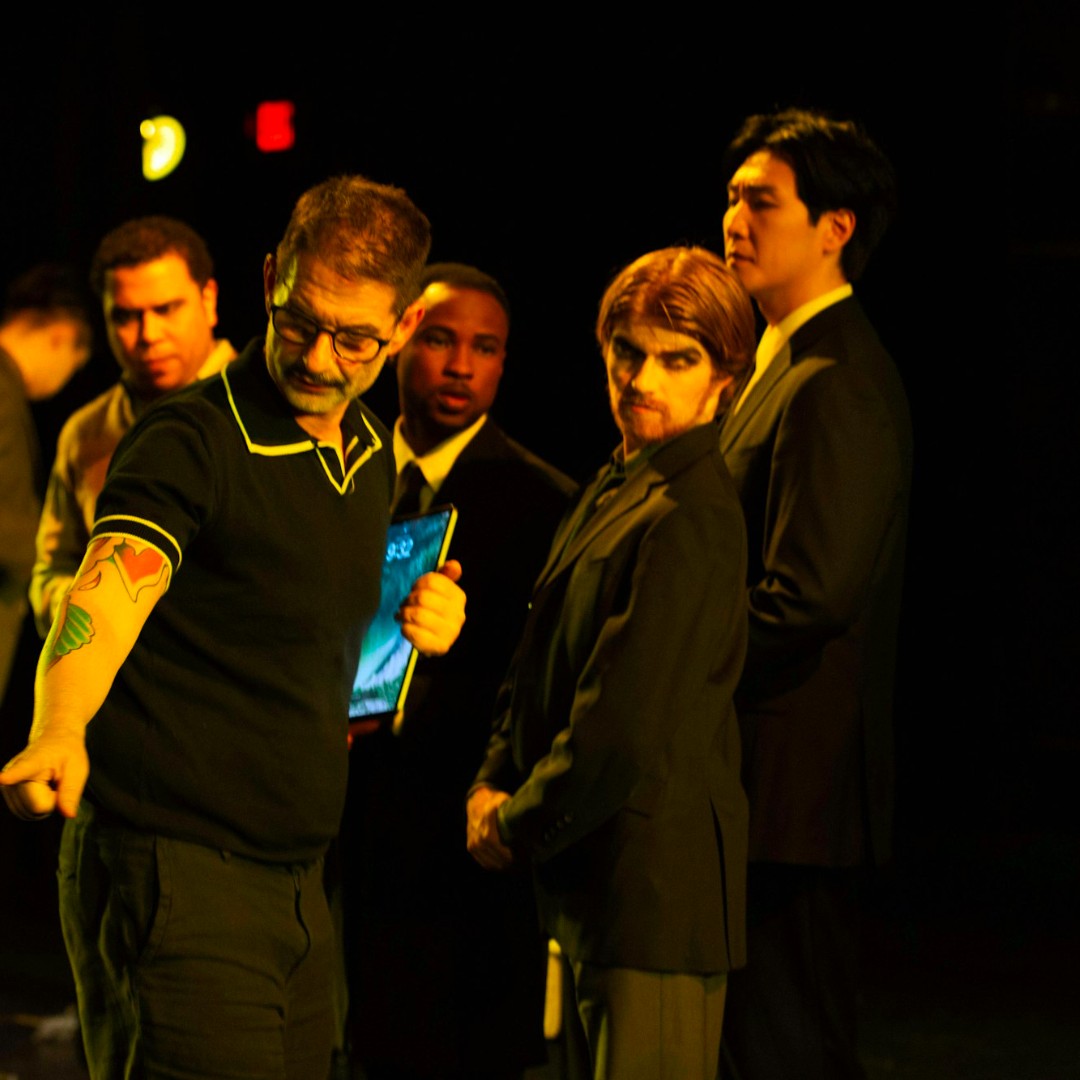
Shadow theater, photography, projection, live performance. For me, these aren't separate arts. They're the same sentence
Born in Athens and raised between two small towns in southern Greece, Stefanos Koroneos grew up surrounded by the kind of vivid, unhurried world that makes artists. At twenty, he left for Italy to study architecture — and discovered opera instead. That pivot never felt like an accident. Opera, like architecture, is the art of building space for human experience.
He spent the next twenty-five years as a baritone, building an international career that took him to Teatro alla Scala, Teatro Regio di Torino, the Bolshoi Theater, New York City Opera, Palm Beach Opera, the Greek National Opera, and opera houses across Germany and the Netherlands. Along the way, he worked beside some of the form's most defining figures — Franco Zeffirelli, Fabrizio Melano, Moisés Kaufman, Richard Bonynge — absorbing not just technique but a way of thinking about what theater is for. Those years on stage did something that no amount of study could replicate: they taught him what it actually feels like to stand in the light, to carry a score in your body, to find a character from the inside out. It is the foundation of everything he does as a director.
"I grew up between two small towns in southern Greece. I had no idea that would be the best possible training for a life spent making things."
Stefanos Koroneos
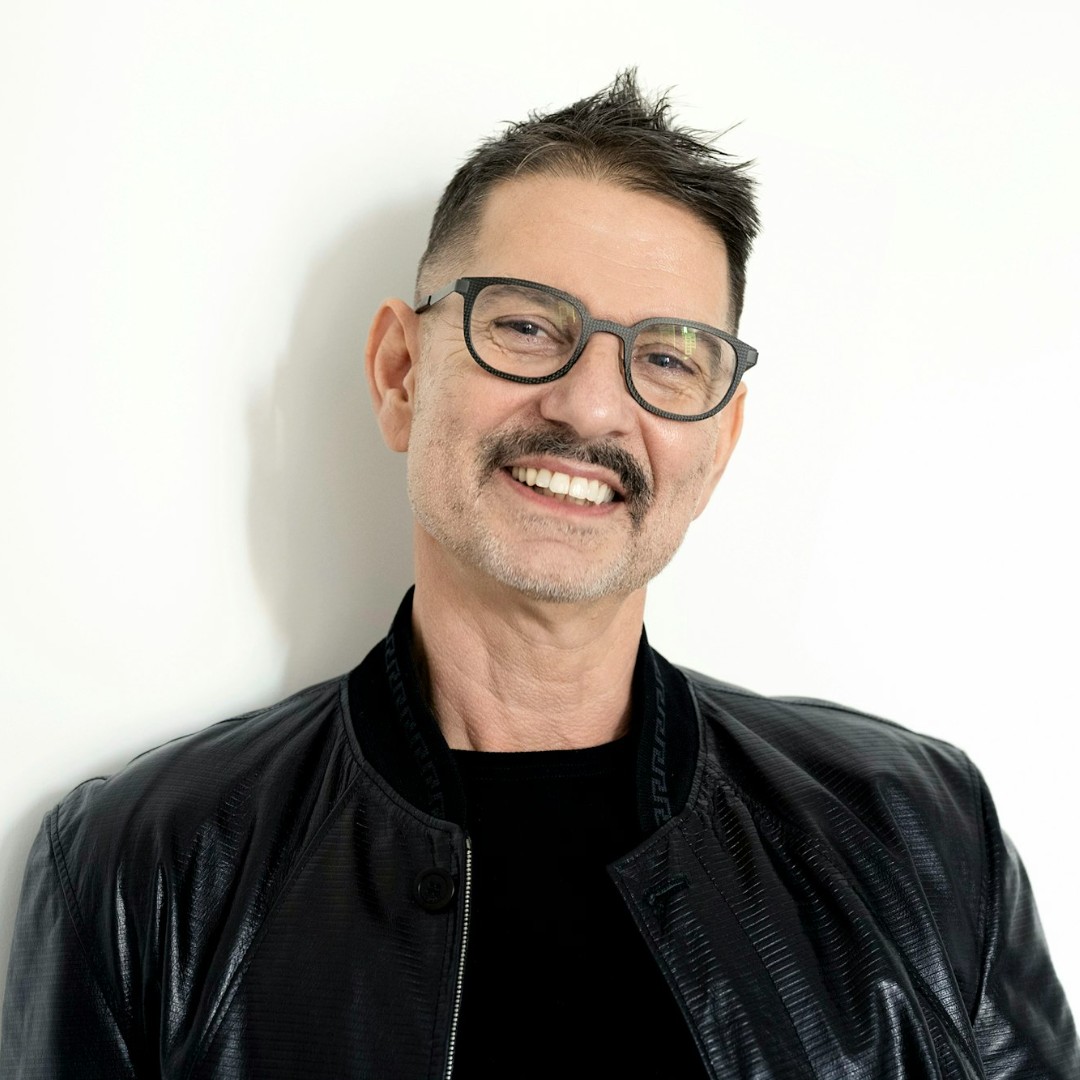
I love running a company as fiercely as I love making art. To me, there has never been a difference.
Koroneos work is shaped by a genuinely multidisciplinary imagination and curiosity. His signature approach weaves together shadow theater, live photography, and projection design in a way that is entirely his own: he photographs his cast himself — in rehearsal, in costume, in character — and transforms those images into the visual architecture of the production. The projections are not imported from outside. They grow from within the work, from his own relationship with the singers, from the rehearsal process itself. The result is a stage where multiple artistic languages — music, theater, image, light — are not layered on top of one another but set into genuine dialogue.
His directing credits span a wide range of repertoire and geography. Recent work includes the critically acclaimed Idomeneo, Don Giovanni, and Le Nozze di Figaro across the United States, Greece, and Italy; an award-winning production of Zandonai's Giulietta e Romeo in Battery Park City, New York; Madama Butterfly, Carmen, and La Vestale for Light Opera of New Jersey, La Tech Monterrey, the Cultural Center of Crete, and the Megaron Thessaloniki; I Am a Dreamer Who No Longer Dreams and Die Zauberflöte for Tri-Cities Opera; Carmen for Bohème Opera; Domme + Giovanni for White Snake Projects; and L'Elisir d'Amore for Teatro Grattacielo. In 2025, he directed Le Nozze di Figaro and the world premiere of Rossini Perduto, produced the world premiere of Daniel Asia's Tin Angel at La MaMa, and joined the directing staff of the Metropolitan Opera for their revivals of Il Barbiere di Siviglia and Carmen. He is currently directing Bartók's Bluebeard's Castle for Ithaca College and has recently joined Opera Roanoke as Producing Director.
"I champion new works because opera deserves a living future. And sometimes, I write them myself."
Stefanos Koroneos
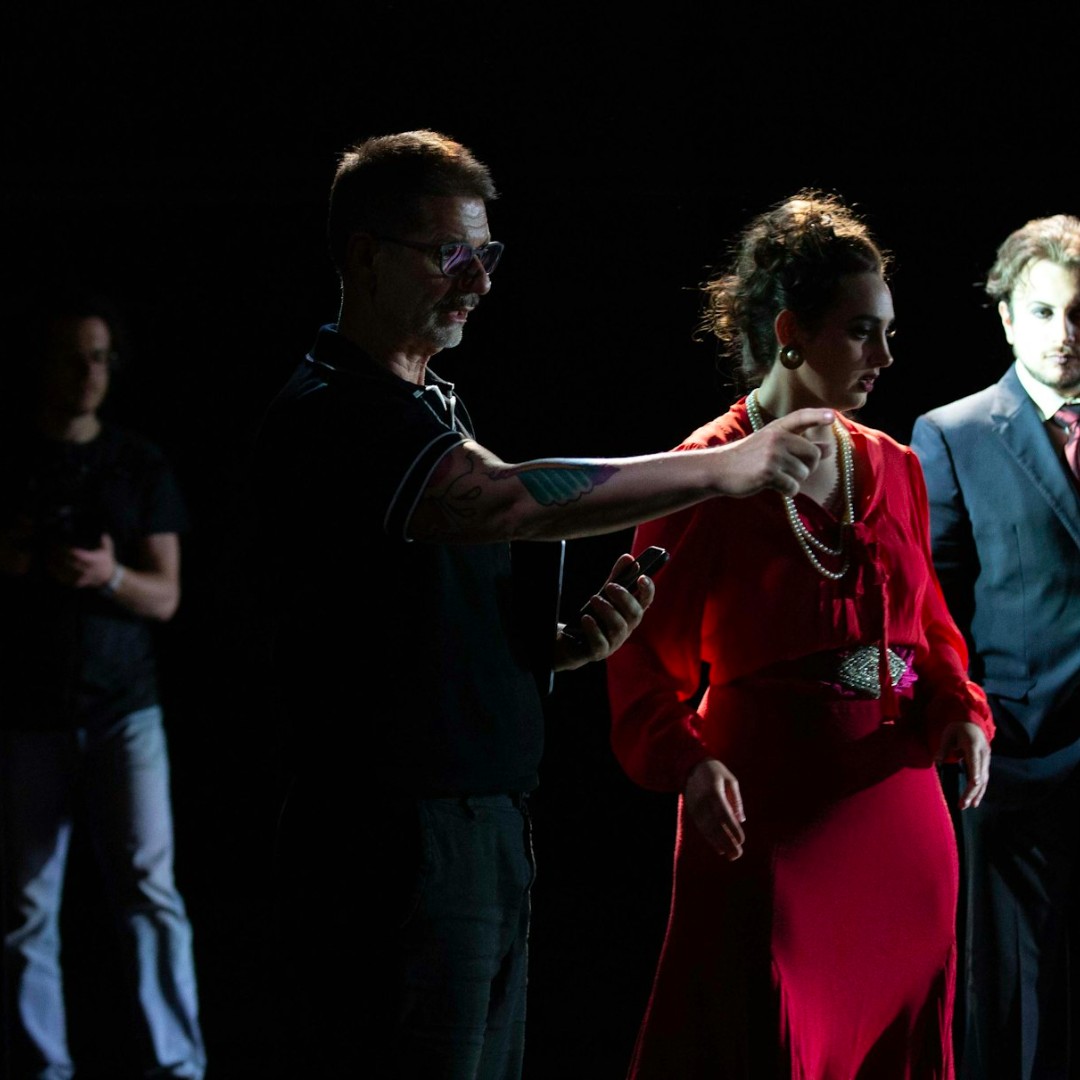
Koroneos is also a librettist and costume designer — roles that reflect the same impulse that drives his directing work: a refusal to engage with opera from only one side of the table. His costume designs have been seen in productions of L'Elisir d'Amore, Don Giovanni, and Beyond the Horizon. As a librettist, he completed Jefferson Lives!, premiering in 2026 in Tucson, Phoenix, and New York City, and is at work on The Trackers, an upcoming new opera. To write a libretto is to understand — at the molecular level — how words, music, and dramatic structure live together. It is, like everything else he does, another way of seeing the whole.
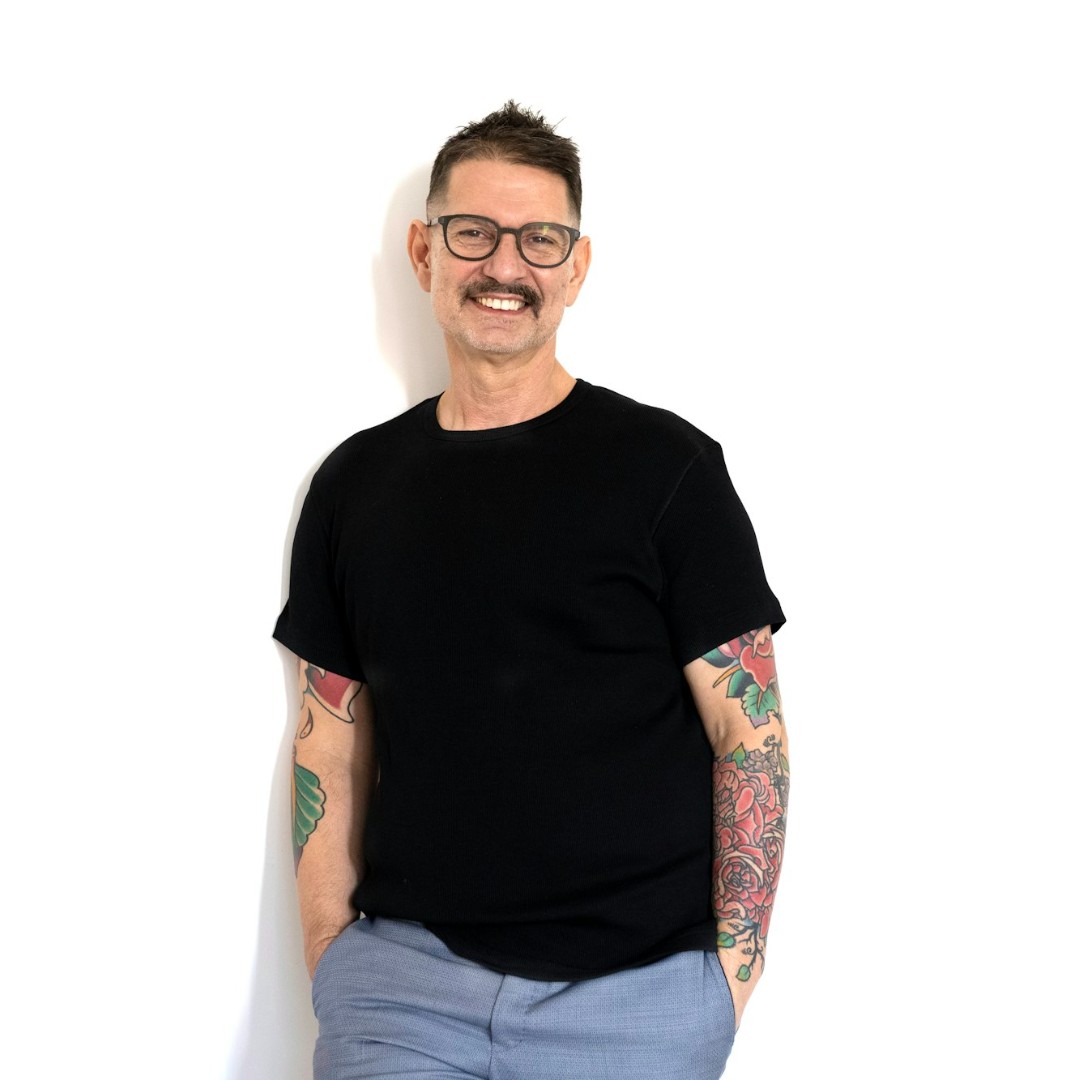
As Artistic and General Director of Teatro Grattacielo — a position he has held since 2020 — Koroneos has led one of the most significant transformations in the company's history. Under his leadership, Teatro has grown from a single annual performance to four productions and ten performances per year, expanded its reach to over 10,000 New Yorkers annually, and moved from a structural deficit to a sustained operating surplus. He has championed the commissioning and production of new American works, with world premieres by Daniel Asia, Joseph Summer, Joshua Daniel Nichols, and Nicolas Flagello, and has secured a commission for the 2027 LA28 Olympics. He founded Creative Tableaux, Teatro's tuition-free educational program serving New York City youth ages 13–22 through paid internships in stagecraft, costume design, multimedia, and visual art, and established Opera at Gotham Park, a free civic programming series beneath the Manhattan side of the Brooklyn Bridge that uses opera to open dialogue around climate change and civil rights. A committed advocate for ethical arts employment, he classifies all participating artists — singers, directors, designers, orchestra, and chorus — as W-2 employees, a standard that remains rare in the opera sector.
Fluent in Italian, German, English, Spanish, and Greek, Stefanos Koroneos works across languages, disciplines, and borders — always in pursuit of the same thing: a theater where every element is alive, where nothing is merely decorative, and where opera, in the fullest and most expansive sense of the word, is still capable of surprise.